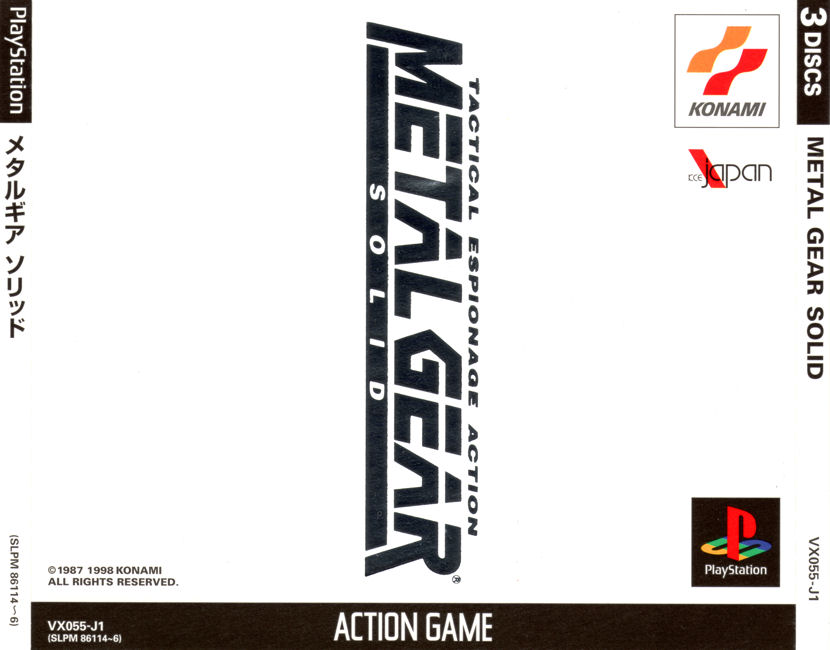
Metal Gear Solid on the original PlayStation is one of those rare games that transcends its medium. Released in 1998 by Konami and directed by the legendary Hideo Kojima, it didn't just redefine stealth action — it proved that video games could tell stories on par with cinema.
Important note: This review covers the original PSX version only. The GameCube remake The Twin Snakes changes so much — the cutscenes, the gameplay mechanics, the overall tone — that it's practically a different experience. If you want to understand what made MGS1 special, you need to play the PS1 original.
The Story — Cinematic Brilliance on 32-Bit Hardware
You play as Solid Snake, a retired special forces operative pulled back into action to infiltrate Shadow Moses Island, a nuclear weapons facility in Alaska's Fox Archipelago. A rogue special forces unit called FOXHOUND has seized the facility and is threatening a nuclear strike.
What starts as a straightforward infiltration mission quickly spirals into something much deeper — a story about nuclear deterrence, genetic destiny, the nature of warfare, and what it means to be a soldier. Kojima weaves themes of identity and free will throughout the narrative in ways that still hit hard today.
The plot twists are legendary. If you've played it, you know. If you haven't — I won't spoil them. Just know that the story goes places you absolutely won't expect.
Yoji Shinkawa's Art — Defining the Visual Identity
One of the most striking things about MGS1 is the artwork by Yoji Shinkawa. His brush-and-ink style gave every character an instantly iconic look that transcended the PS1's polygon limitations.
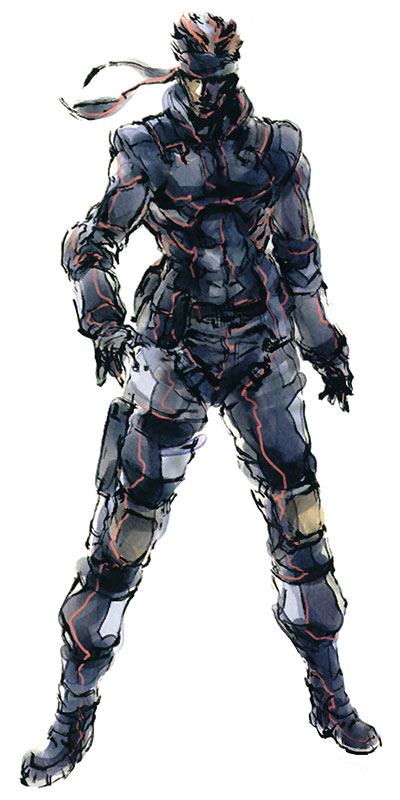
Solid Snake's design is timeless. The sneaking suit, the bandana, that grizzled look — all born from Shinkawa's brush. Even with the PS1's limited polygon count, you could see the essence of these designs in the in-game models.
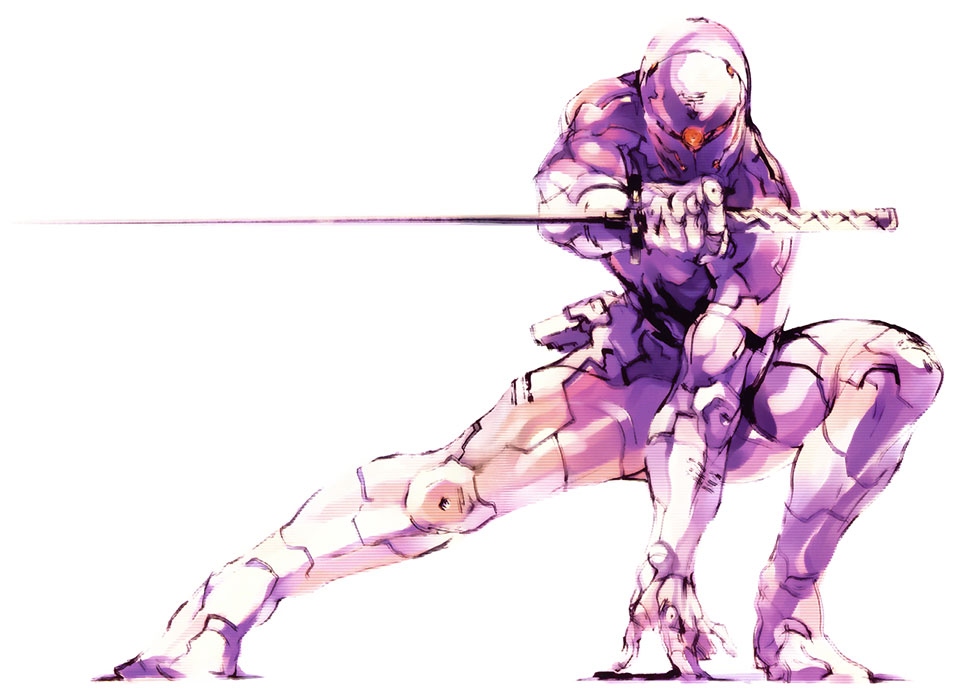
The Cyborg Ninja (Gray Fox) is probably one of the most iconic character designs in gaming history. Shinkawa's concept art captures that perfect blend of sleek technology and raw menace.
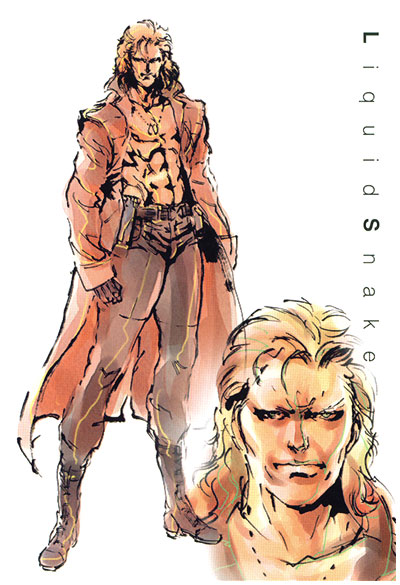
Liquid Snake — your twin brother and the main antagonist — has a design that perfectly mirrors Snake while feeling completely different. The long blonde hair, the open trench coat — he's theatrical where Snake is pragmatic.
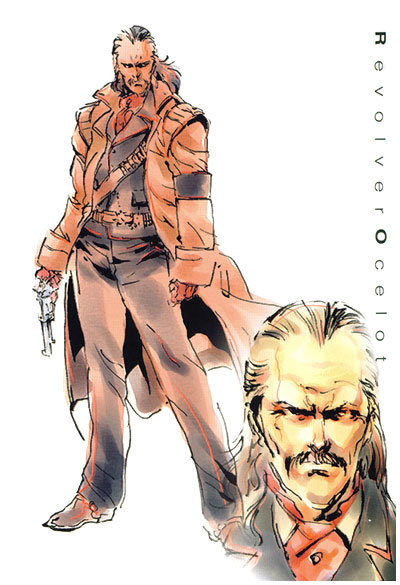
Revolver Ocelot steals every scene he's in. A gunslinger obsessed with revolvers, his concept art radiates the charisma that would make him a fan favorite across the entire series.
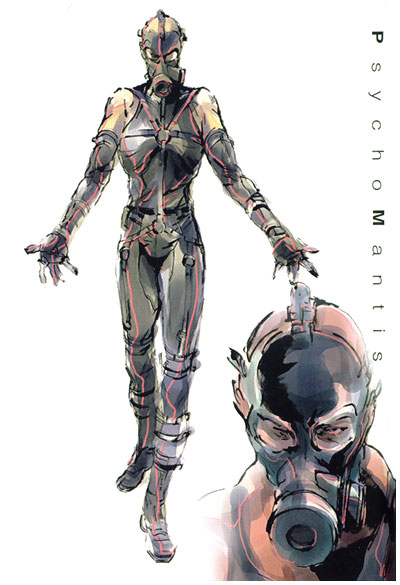
Psycho Mantis might be the most creative boss design in the game — both visually and mechanically. That gas mask, the floating, the mind reading... unforgettable.
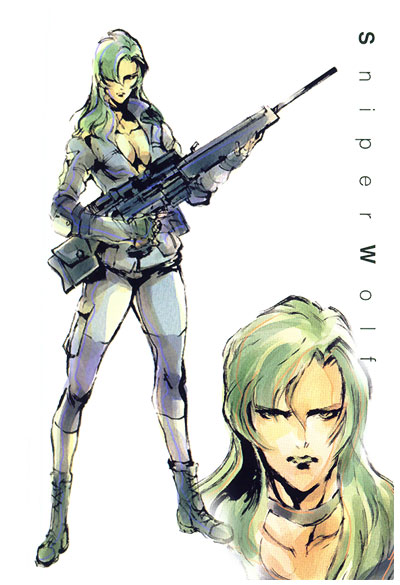
Sniper Wolf's design is hauntingly beautiful. Her story arc is one of the most emotional in the game, and Shinkawa's art captures both her deadly precision and her tragic humanity.
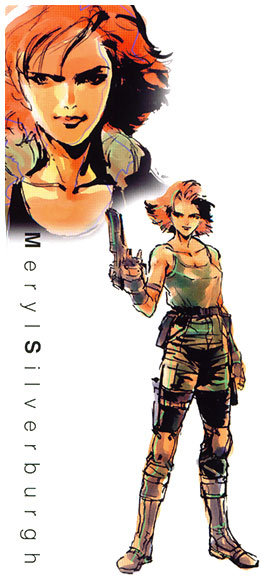
Meryl rounds out the key characters with a design that's practical and grounded — a soldier first, fitting perfectly into the military atmosphere of Shadow Moses.
The Combat — Fun But Rough Around the Edges
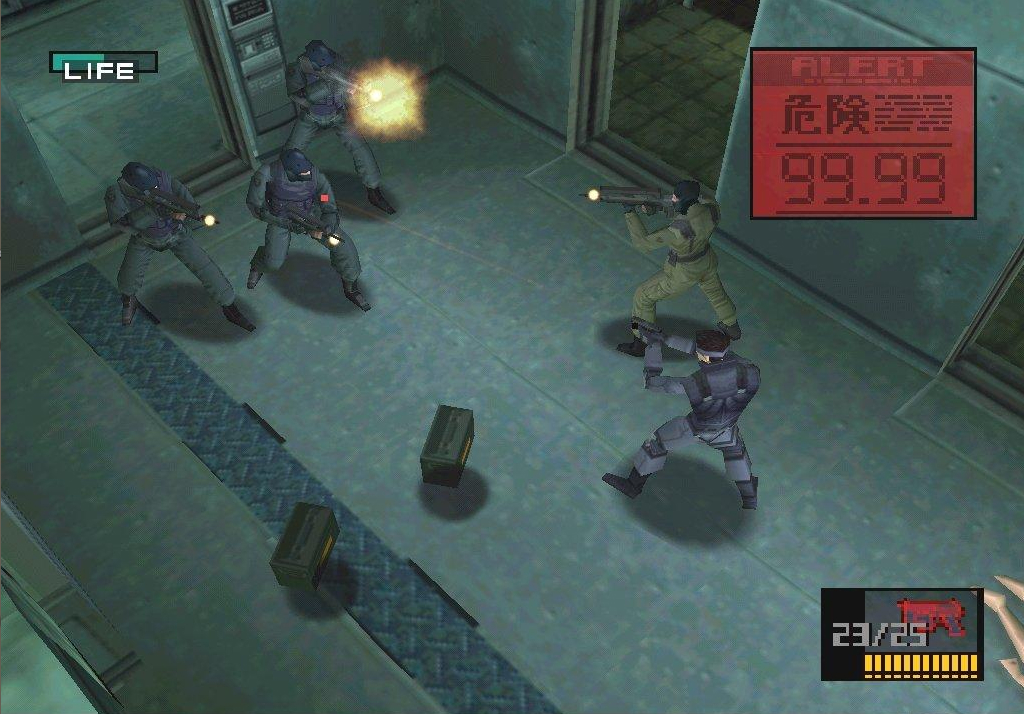
Let's talk about the combat, because this is where the game both shines and shows its age.
The good: The core stealth mechanics are incredibly satisfying. Sneaking past guards, using the radar, finding creative ways through each area — it all clicks beautifully. The variety of weapons and items gives you tons of options. The SOCOM pistol, the FAMAS, Nikita missiles, claymores, C4 — each has its place. And the boss fights are some of the most creative and memorable in gaming history. The Psycho Mantis fight alone — where he "reads your memory card" and you have to switch controller ports — was groundbreaking.
Where it lacks optimization: The controls can feel stiff by modern standards. The top-down perspective sometimes makes aiming awkward. First-person aiming wasn't a thing yet (that came in MGS2), so you're working with what the PS1 could offer. The camera can be your worst enemy in tight corridors. And the AI, while revolutionary for 1998, has some quirks — guards forgetting about you pretty quickly, patrol patterns that can feel mechanical.
But here's the thing: For a game released in 1998, the combat was absolutely phenomenal. Nothing else played like this. The tension of being spotted, the alert phase music kicking in, scrambling to hide — it was completely new and incredibly thrilling. The lack of polish is a product of its time, not laziness. Kojima and his team were literally inventing the stealth action genre as they went.
The boss fights deserve special mention: Revolver Ocelot's duel, the tank battle, Psycho Mantis's mind games, the sniper duel with Sniper Wolf, the elevator ride with the stealth camouflage soldiers, the fistfight with Liquid on top of Metal Gear REX — each one is unique and memorable. Very few games since have matched this variety and creativity in boss design.
The Codec Calls — A Novel Approach
The codec system was genius. Instead of cutscenes for every plot point, you could call your support team at any time. Colonel Campbell for mission briefing, Mei Ling for saving (and proverbs), Naomi for medical advice, Otacon for tech support. The optional codec calls added layers of depth, humor, and world-building that rewarded curious players.
The Verdict
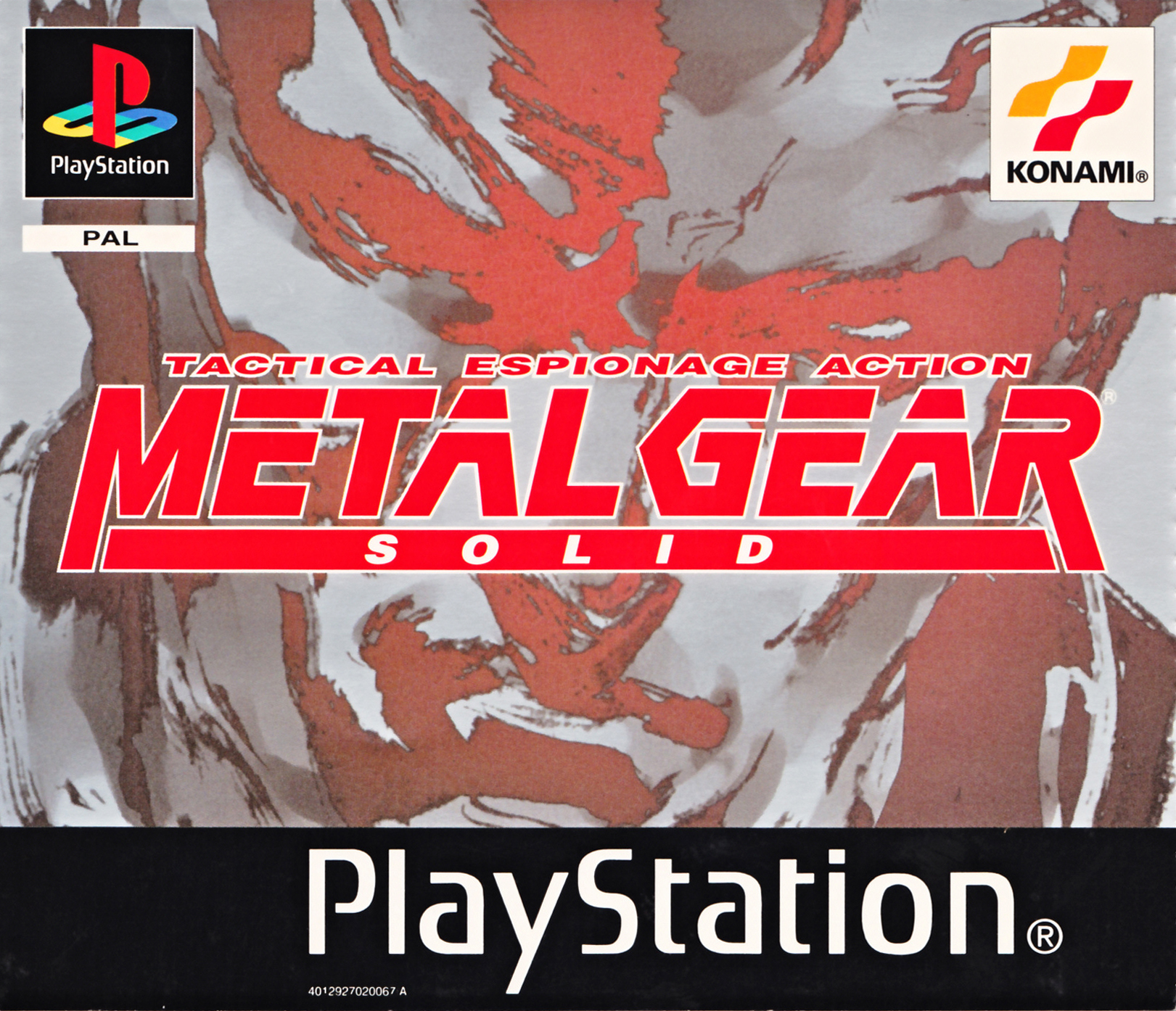
Metal Gear Solid on PSX is a masterpiece. Full stop.
Yes, the combat optimization isn't perfect. Yes, the controls feel dated. But what Kojima, Shinkawa, and the team at Konami achieved in 1998 was nothing short of revolutionary. The storytelling, the characters, the atmosphere, the boss fights, the attention to detail — it all comes together into something that defined an entire generation of gaming.
If you've never played the original PS1 version, do yourself a favor and experience it as it was meant to be played. Not The Twin Snakes. Not a YouTube summary. The original.
Score: 9.2/10
- Story: 10/10 — Still one of the greatest narratives in gaming
- Art & Design: 10/10 — Shinkawa's work is timeless
- Combat & Gameplay: 8/10 — Incredibly fun, slightly rough around the edges for its era
- Sound & Music: 9.5/10 — The soundtrack and voice acting are legendary
- Legacy: 10/10 — Changed gaming forever
A tactical espionage masterpiece that every gamer should experience at least once.
Comments (0)